click on title/heading to go to article
Thursday, April 12, 2007


Tuesday, April 10, 2007
A LOOK AT CLINTON'S OPINION OF THE CIA - (check links at the end of the article)

In my opinion the Clinton Administration turned the CIA from an excellent operational and intelligence agency into a corporate bunch of careerist bureaucrats worrying about the legal aspects of doing their job instead of actively defending America!
Am I wrong that he generally refused to meet with the Director of the Agency officially? Maybe only once or twice a year? Or was it only once or twice during his 8-year Presidency?
Am I wrong that Clinton issued orders that the CIA was not permitted to obtain information or run agents together with anyone who did not have a "clean" record?
Infiltration for black ops or carrying them out had to be achieved through pristine clean channels and people?
Somewhat like infiltrating one of our gangs in the USA but not being allowed to use or turn any gang member, who had ever been arrested, to achieve this.
Think of it as similar to forbidding New York police (for example) to carry guns in doing their duty to protect city residents! Almost all the force would resign (as did so many agents) or soon be dead.
In this environment, CIA analysts took over from those with operational backgrounds.
Makes me angry to acquire the opinion that our best people were emasculated to suit a Clinton philosophical abberation.
Even angrier perhaps that some of what could perhaps be described as the "residual silt" of these "career bureaucrats" still at their jobs, now apparently leak semi-classified information to sabotage the Bush administration's efforts to keep us safe.
Instead of helping make it so, apparently using leaks to the New York Times and other eager Mass Media with what I believe invalid accusations of the outing of a non-clandestine CIA operative. Despite efforts to claim the contrary by her - without any tangible proof of her still being in a covert operation position or carrying out covert duties.
Other than simly being a CIA emloyee, who more than five years earlier did some covert work.
We have real Islamic enemies. We need a few less internal ones like these whose real duty is to protect the nation not enforce their political viewpoints.
SABRE RATTLING OR THE REAL THING?
April 9, 2007, 6:09 PM (GMT+02:00)
Marines training on USS Baatan amphibious assault ship
No attempt was made to conceal the visit a cluster of top US brass paid April 4 to American marine units aboard the multipurpose amphibious assault ship USS Baatan (LHD 5) and other vessels of the strike group deployed inthe Persian Gulf.
In fact they were happy to answer questions about policies equipment and future plans. The group visiting the 26th Marine Expeditionary Unit (MEU) aboard the Baatan was led by Gen. James Conway. With him were Lt. Gen. Keith Stadler,Commanding General of II Marine Expeditionary Force (MEF), Marine Corps Sgt.Maj. John Estrada and Rear Adm. Richard Jeffries, medical officer of the Marine Corps.
The group earlier climbed aboard the USS Oak Hill and USS Shreveport, whichare part of the Bataan Strike Group.Tehran took this public flurry of activity as another sign of an impending US assault. Its response came four days later.
On April 8, the foreign ministry spokesman in Tehran Mohammad Ali Hossein said the Iranian army hadcompleted all its preparations for defending the homeland and Iran was prepared to repel a military offensive. The tenor of the language emitting from Iran is one of defiance across the board.
The foreign ministry in Tehran announced Monday, April 9: “Talks with the US are not on Iran’s agenda,” in reference to planned meetings on the sidelines of the second Iraq security conference taking place in Cairo next month. This was the final death blow to the US-Saudi initiative to engage Iran, which was fathered earlier this year by the Bush administration and Saudi King Abdullah.
Washington had pinned high hopes on the follow-up Cairomeeting providing the forum for direct talks between US and Iranian foreignministers. Since Tehran has knocked this prospect on the head, not much is expected tocome out of the Cairo gathering of UN Security Council and G-8 members aswell as Iraq’s neighbors – even if it takes place.
This too is in question,given the menacing tone of Iranian foreign minister Manouchehr Mottaki. OnMonday, he warned that relations with Iraq could deteriorate if the fiveIranians detained in Iraq by US troops last February are not freed.
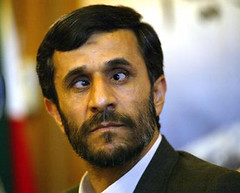
Tehranis investigating their fate, he said, and urged Iraq to do the same.Radical president Mahmoud Ahmadinejad’s proclamation of National NuclearEnergy Day celebrations to mark the first anniversary of Iran’s initialbreakthrough on uranium enrichment is taken as a red flag to the West.
Notwithstanding persistent speculation, the Iranian leader refrained from announcing the installation of 3,000 centrifuges, which would have marked animportant stride in large-scale uranium enrichment. He only announced“industrial scale” production of enriched uranium." Intelligencesources disclose that Iran has not managed to install more than 1,000 centrifuges, and possibly less, for lack of progress in overcoming technical hitches.
The other 2,000 are either still being run in or inoperative.
Last week, ABC News revealed that in the last three months, Iran has more than tripled its ability to produce enriched uranium, adding some 1,000 centrifuges which are used to separate radioactive particles from the raw material.
The addition of 1,000 new centrifuges, which are not yet operational, means Iran is expanding its enrichment program at a pace much faster than U.S.Intelligence experts had predicted.
The Islamic Republic may indeed have abomb by 2009. This is six years earlier than the previous US intelligence time frame of 2015 and closer to Israeli intelligence assessments.
And this week, Aviation Week & Space Technology brought out some new data relevant to Iran’s missile program about the expansion of Chinese missile strength US monitoring operations. The weekly reports that US Air Force Defense Support Program monitors have noted that both the Chinese and the Iranians “have very vigorous test programs.
The number of ballistic missile launch events we are seeing with DSP is increasing.”USAF Lt. Col, Joe Coniligio is quoted as saying: “…with major new Chinese and Iranian flight test activity to monitor, the DSP program has major initiatives underway to extract more intelligence out of the infrared datastream from each of the satellites.”
Also Monday, Iranian state TV announced Revolutionary Guard Gen. Mohammad Baqer Zolqadr had demonstrated the “ineffectiveness” of UN sanctions by spending six days in Moscow in defiance of the international ban on his travel. The Russians confirmed this. The general is listed with 15 individuals, whose visits all governments are required to ban.
Sources note additional factors contributing to heightened
tensions in the region, chiefly the high death toll the US and British military are sustaining in Iraq from high-powered Iranian roadside bombs, 10 Americans and 6 Britons killed over the Easter weekend alone.
Quantities of lethal weapons continued to flow across the border to the anti-US Shiite cleric Moqtada Sadr’s Mehdi Army militia. US and Iraqi forces have been battling these militia units for almost a week in the town of Diwaniya southof Baghdad. The Shiites are armed to the teeth with smuggled Iranian arms,including anti-tank and anti-air missiles.
Sadr brought out to the streets of Najef and Kufa on Monday, April, 9, the fourth anniversary of the fall of Baghdad, tens of thousands of anti-American demonstrators who burned US flags and demanded the end of “American occupation.” Sadr in person is a constant thorn in America’s side from a safe distance in Tehran.
Monday, April 09, 2007
DELUSIONS (Bilingual Farsi)
Delusions of (Western) Policy Makers
Speech by His Highness Prince Reza Pahlavi
April 03, 2007
Regime Change or Behavior Change: A false choice.
Ladies and gentlemen, distinguished guests good afternoon.
Allow me to express my gratitude for the invitation to be with you today. To many of you whom I know personally, I extend my admiration and respect for the great work you have done over the years.
To those I meet for the first time, thank you for letting me have the privilege of getting to know you. The Hudson Institute’s proud tradition of service to world peace includes the great work of those, like Herman Kahn, who dared to “think the unthinkable.”
You can imagine the depth of my sorrow that today, the “unthinkable” concerns my homeland.
The latest Presidential National Security Directive names the Islamic Republic of Iran as the greatest threat to international peace, security and stability. That is principally because permitting the foremost state-sponsor of terrorism to acquire nuclear weapons is unthinkable.
What has changed from Herman Kahn’s era is that mutual assured destruction (MAD) worked against a rival that defined its interests in this material world.
Messrs. Khamenei, Ahmadinejad and many of their cohorts do not. How can assured destruction deter those who glorify self-destruction and call it martyrdom?
Just as suicide bombing has changed domestic security policies, dealing with the nuclearization of this new kind of “other-worldly” state requires a different approach in international relations. Far from acting to avoid assured destruction, they invite it with tireless exaltation of martyrdom!
Which brings us to the question, what could be done?
The current debate on Iran seems to have reduced the question to a choice between regime change and behavior change. That is a false choice.
It is also a formulation preferred by those who do not mind loading the dice in favor of longer life for Iran’s clerical regime. This is because short memories equate regime change with the use of force in Iraq.
The unique mistakes in Iraq, however, should not sully regime change, which wasn’t such a bad phrase during the Cold War era, just two decades ago: President Reagan knew that he would not get behavior change from the Soviet regime unless he seemed serious about changing it.
The actual change was a happy byproduct, which spelled the end of the Marxist mystique. East-European youth backpacked their way to the West to tell fellow students about the wide chasm between the deceptive promise of Marxism and its wretched reality.
Long lines to take Marxist courses disappeared in Universities, from Buenos Aires to Paris. Similarly, I am convinced once the people bring down the clerical regime, with Iranian journalists, intellectuals and students free to travel, they will have the same shattering impact on the appeal of Islamist theocracy throughout the Moslem world.
Ah, but Russia was more modern than the Middle East, riper for democracy – some say. They are perhaps unaware that Iran had a democratic “Constitutional Revolution,” fully 100 years ago, when Russia was still Czarist.
They would be much surprised to learn that, in 1914, the Times of London wrote that British Parliamentarians would be well served to emulate democratic practices from their counterparts, in Iran’s Majless (parliament)!
They know even less about the differences between Iran, which was never colonized, and Iraq, whose constituent parts were governed separately under Ottoman rule, which decapitated its independent political institutions and postponed our Iraqi brethren’s opportunity to develop a sense of nationhood.
Still, it was easier to talk favorably about regime change in 2004 or 2005, when Iraqis were celebrating free elections and the Cedar Revolution was gaining steam in Lebanon. That is when Tehran’s theocrats and Syria’s Assad sensed the danger and set out to kill the hope for democracy in the region.
They exploited religious and ethnic divisions to create a quagmire as a no-trespass sign to the rest of the world: Shelve any plans for democracy in the region, from the subcontinent to the Mediterranean, and from the Caspian to the Persian Gulf – read the sign.
The Baker-Hamilton Report is a tacit acceptance of that no-trespass sign.
Unfortunately, the report does not indicate how one can reach an agreement with the Islamic Republic, whose primary purpose is to humiliate the US in the theater of the Moslem world.
There is method to their madness: The theocracy’s anachronistic life is mortgaged on proving to regional governments, and non-governmental forces, that those who oppose America will defeat those who cooperate with her.
The State Department’s policy on Iran relies on diplomatic isolation and economic pressure. It is more hard-nosed than Baker-Hamilton, but it still suffers from the flaws of "realpolitik" when facing an irrational actor.
Isolation? What isolation, demands President Ahmadinejad!
The day he was squaring off against President Bush at the UN General Assembly, last fall, 118 out of the 192 nations present, more than 60%, were with him.
He had just come from Cuba, where he had secured the support of the non-aligned movement.
He had been received like a rock star by radical students in Indonesia, applauded by Castro in Cuba, and bear-hugged by Chavez in Venezuela.
Those in Foggy Bottom who think they can make Ahmadinejad feel isolated simply cannot see the world through his eyes.
Even if he felt isolated, it is doubtful he would change his behavior. Even the threat of force is not enough to sway someone whose deepest beliefs welcome Armageddon – to expedite the return of the twelfth Imam, his messiah!
As for economic pressures, recent history should have convinced us that they are not enough to change the behavior of a regime that does not care about the welfare of its people.
In more than two years of negotiations, Iran’s major European trade partners, Germany, France and Britain played with numerous combinations of economic threats and incentives, before they threw in the towel.
The International Atomic Energy Agency reported Iran to the UN Security Council shortly thereafter. Backed by the Russians and the Chinese, last June the US joined the Europeans to offer a very generous incentive package, should the regime suspend enrichment of uranium.
Two deadlines came and passed, with the Islamic Republic dancing around the proposal, but not addressing its substance.
Just as Presidents Bush, Putin and Chirac, Prime Minister Blair, and Chancellor Merkel were about to discuss what to do, Hizbullah crossed the Israeli border and took two hostages.
Thus, the war precipitated by the Islamic Republic’s client washed discussions of pressuring Iran off the agenda at the St. Petersburg G8 Summit, late July of last year.
It should not come as a surprise any longer that, three more deadlines and three UN Security Council resolutions later, we are back at the same old dance; except it has become more deadly, considering the regime’s plan for three thousand centrifuges and new restrictions placed on international inspections of Iran’s nuclear facilities; begging the question:
To what level could unilateral US sanctions be expanded to, or what other UN sanctions could be acceptable to Russia and China? In short, US foreign policy and international pressure are reaching their limit, while the government whose head denies the Holocaust and wants an entire nation wiped off the map, is inching ever closer to the bomb!
Having removed the Taliban and Saddam - two walls of Iran’s containment - having approached the limits of diplomatic and economic pressures, many discussions of US options now teeter between war and surrender.
Surrender, by the way, has a fascinating new name: Engage and Deter!
We engaged China to get out of Vietnam, why can’t we do the same with Iran to exit Iraq? That was the question put to the Senate Foreign Relations Committee by a Council of Foreign Relations fellow, who seemed to put some Senators in deep thought.
We deterred the Soviet Union, why can’t we deter Iran, is more music to the ears of the Islamic Republic, playing in Washington these days.
Perhaps, it is the current mood of desperation on Iraq, but few policymakers seem to peel these thin disguises of surrender and see through the false parallels and specious arguments:
A cursory review of history will demonstrate that Henry Kissinger’s deal with China was possible because the latter saw the Soviets as the principal threat to her security.
He knew how real that threat was when Leonid Brezhnev asked President Nixon to give him a free hand with China and stay out of a potential Sino-Soviet nuclear conflict.
There is today, no such parallel with the Islamic Republic, which does not see a third party as the principal threat, let alone seeing the US as a possible savior!
In this new disguise for surrender, mention of deterrence is even less valid, but requires more insight to expose.
During the cold war, nuclear deterrence gave the West an advantage: the Warsaw Pact’s conventional forces were quantitatively superior and nuclear arms acted as an equalizer in the European theater.
In the Persian Gulf today, it is the US that has overwhelming conventional superiority. Should the Islamic Republic get the bomb, it will equalize that superiority and deter a high-intensity conventional attack.
The nuclear shield will, thus, open the hands of the Islamic Republic to expand low intensity violence -- a.k.a. terrorism -- in furtherance of its constitutional mission of exporting Islamic Revolution.
Hamas, Hizbullah, the Mahdi Army, the Badr Brigade and the like will then look ten feet taller than their intimidated moderate rivals.
As one witness after another comforts Congressional leaders that the Islamic Republic can be deterred, I do not hear the riposte that even their best scenario means unshackling terrorism, let alone their worst!
Nor does the administration seem to be able to lead Congress away from such harmful and deceptive advice, because it is ill-equipped to deal with unconventional states.
Washington’s foreign policy is shaped by the State Department that understands diplomacy and the Defense Department that understands war. Both institutions are legacies of the state-centric view of the world which was consistent with the reality of international politics right after World War II – but not today, not after the Cold War.
The Departments of State and Defense were not structured to help “velvet” revolutions, which have been the most significant patterns of positive change in the world since the Cold War.
The problem is that the US does not have a third foreign policy department; one that understands, and can deal, with the peoples of the transitional world, not just their failed states.
Is it all lost then? Are we back to war or surrender? Far from it! We haven’t focused on the greatest ally of the Free World in the Moslem World: the people of Iran.
Three Iranian social groups, the women, youth and ethnic groups, as well as four professional and working groups, educators, lawyers, journalists and industrial labor, have been at the forefront of protests against and defiance of the Islamic Republic.
Two of the top three Iranian cities, Tabriz and Mashhad, as well as other major cities, such as Sanandaj, have been out of government control, for days at a time.
The principal reason why the vast majority of Iranians who want to reclaim peace and prosperity have not succeeded against the Islamic Republic is because they are prevented from communicating – with each other, and with the free world.
Inside Iran, the government controls mass media with an iron fist. Even “Bloggers” with a limited audience are arrested, let alone published journalists – and there are more of them in jail than anywhere in the world.
A must have for Iran’s pro-democracy movement is media that can connect Iranian activists inside Iran with each other. As I have mentioned before, there are a thousand circles of protest in Iran, but no nationwide medium to connect them.
Since the government will not tolerate such a medium inside Iran, it has to be done from outside.
As some of you may know, there are a few under-funded amateur-video type satellite television stations, beaming into Iran from the West. But they cannot even afford decent old movies, let alone produce meaningful programming.
Then there is the Voice of America Radio and Television, and a forthcoming TV channel by the BBC. Although much improved, their governmental mission statements and cautious bureaucracies have not, and are not likely to, make a serious impact in Iran.
What is needed is engaging programming that builds audience share by truly reflecting the needs, grievances and resistance of Iranian women, youth, ethnic groups and the professional groups.
Given needed resources, modern technology makes it quite possible to have two-way communication between the politically active audience inside Iran and a medium outside which can connect them to each other.
That is what it takes to mobilize the Iranian people – without whom, we are back to war or surrender.
I never miss a chance to reject military action against my homeland. I am against war. I hope you are too, and I can not believe that you would be for surrender.
Thus, we are left with regime change vs. behavior change. And as indicated earlier, that is a false choice.
So what is the right choice? Like most totalitarian leaders, Iran’s Supreme Islamist leader wakes up every morning wondering if the morale and ideological glue of his security forces will hold.
To strengthen their spine, he feels he has to take tough, uncompromising stands against his ideological adversaries – liberal democracies in general, and the United States and Israel in particular.
The reckless self-righteousness of his “other-worldly” ideology will continue this course, until a final collision. This behavior will not change unless he wakes up one morning with an even greater fear: seeing the Iranian people joining hands and rising up against his theocratic tyranny.
Unlike forgetful analysts in the West, he knows the Iranian people have changed their regimes many times before, when they had far less reasons to do so. He watches carefully for the signs of history repeating itself.
Once he sees those signs, and only then, will he change his behavior. That is why idealism and realism, behavior change and regime change do not require different policies but the same: empowering the Iranian people.
This is my political mission in life. I ask for your support, and thank you sincerely for sharing some of your valuable time with me.
سوم آوریل ۲۰۰۷
نیویورک، موسسه تحقیقاتی هادسن
تغییر رژیم یا تغییر رفتار رژیم: گزینشی بی تفاوت
رضا پهلوی
خانمها و آقایان، میهمانان عالیقدر عصر شما بخیر.
اجازه میخواهم که قدردانی خود را نسبت به دعوتی که از من شده است ابراز کنم.
تلاش های بسیاری از شما، که من شخصا میشناسم ، برای ساختن دنیائی بهتر ، برای من بسیار قابل تحسین است. از کسانی که امروز برای اولین بار آشنا میشویم، بسیار سپاسگزارم که فرصتی پیش آمده تا با هم آشنا شویم.
موسسه هادسن خدمات بزرگی به پیشرفت صلح در جهان کرده است. از جمله خدمات عظیم هرمان کان، که شهامت آنرا داشت که به مسائلی بیاندیشد که غیر قابل تصور بودند. متاسفانه آنچه غیرقابل تصوراست، امروز دارد در میهن من شکل میگیرد و من از این بابت بسیار غمگینم.
آخرین رهنمون امنیت ملی که از سوی رئیس جمهوری آمریکا صادر شده است، جمهوری اسلامی را بزرگترین خطر برای صلح بین المللی، امنیت و ثبات نامیده است. این بیشتر از آن رو است که دستیابی به سلاح های اتمی برای رژیمی که سرآمد تروریسم بین المللی است غیر قابل تصور است. آنچه که از دوران هرمان کان دگرگون شده اینست که تئوری " انهدام قطعی و متقابل" تنها در مقابل هماوردی کاربرد داشت که برای سود مردمش دراین جهان مادی احساس مسئولیت میکرد. آقایان خامنه ای ، احمدی نژاد وهمفکرانشان این چنین نمی اندیشند.
چگونه میتوان انتظار داشت که انهدام قطعی و متقابل عامل بازدارنده کسانی شود که مرگ و نابودی خود را با شکوه جلوه داده و آنرا شهادت می نامند. همانگونه که حملات انتحاری سیاست های امنیتی ملی را دگرگون کرده اند، رویاروئی با اتمی شدن نظام های آنجهانی نیز رویکردی متفاوت از روابط متعارف بین المللی می طلبد. نه تنها آنان هیچ تلاشی برای رفع خطر انهدام قطعی نخواهند کرد، بلکه با شور و شعف از شهادت استقبال خواهند کرد. و این ما را به پرسش اصلی میرساند: چه باید کرد؟
چنین به نظر می رسد که بحث های کنونی در باره ایران این پرسش را به گزینشی میان تغییر رژیم یا تغییر رفتار رژیم فرو کاسته اند. اما در عمل تفاوتی بین این دو گزینه نیست، اینگونه مطرح کردن پرسش بسود آنان است که بطولانی ترکردن عمر رژیم جمهوری اسلامی علاقمند هستند، زیرا امروزه خاطره های کوتاه عبارت تغییر رژیم را با حملۀ نظامی به عراق مترادف کرده است. اشتباه منحصر بفردی که در عراق رخ داد نباید مایۀ مخدوش شدن عبارت تغییررژیم شود، عبارتی که تنها دو دهۀ پیش چندان نامتناسب به نظر نمیرسید.
پرزیدنت ریگان به درستی در یافته بود که اتحاد جماهیر شوروی هیچ تغییری در رفتار خود ایجاد نمیکند مگر اینکه خود وی در سیاست تغییر آن رژیم جدی بنظربرسد. تغییرات واقعی متعاقب سیاست های وی، نتیجۀ فرخنده ای داشت که به پایان جاذبۀ کاذب مارکسیزم انجامید. جوانان اروپای شرقی، کوله پشتی به پشت، به طرف غرب سرازیر شدند تا به دانشجویان هم سن و سال خود از شکاف ژرف بین وعده های تهی مارکسیستی و واقعیات فلاکت بار آن بگویند. صف طولانی دانشجویان از بوئنوس آیرس تا پاریس، برای ثبت نام در کلاس های مارکسیستی به ناگهان ناپدید شد. من ایمان دارم که پس از سرنگونی رژیم اسلامی توسط مردم ایران، روزنامه نگاران، دانشجویان و روشنفکران ایرانی نیز با آزادی در جهان اسلامی سفر کرده و به همان شیوه فرق بین وعده های کاذب حکومت دین سالار را با واقعیت نکبت بار آن برملا خواهند کرد.
شاید بعضی چنین تصور کنند که روسیه بیشتر از ایران برای گذار به دموکراسی آمادگی داشت. باید به آنان خاطر نشان کرد که بیش از صد سال پیش انقلاب دموکراتیک مشروطه در ایران به وقوع پیوست – و این در زمانی بود که روسیه هنوز تحت دیکتاتوری تزاری بود. تعجب آنان بیشتر خواهد شد اگر بدانند که در سال ۱۹۱۴، روزنامۀ تایمز لندن نوشت که نمایندگان مجلس انگلستان باید درس دموکراسی را از همتایان ایرانی خود بیاموزند. آگاهی آنان از تفاوتهای بین ایران و عراق حتی کمتر است. ایران هرگز مستعمره نبوده است اما بخشهای مختلف عراق در زمان عثمانی جداگانه اداره میشدند واین نهاد های مستقل سیاسی دیرین این بخش ها را از میان برد. امپراطوری عثمانی دست یافتن برادران عراقی ما به یک هویت مشترک ملی را بعقب انداخت.
با وجود این، در سالهای ۲۰۰۴ یا ۲۰۰۵ که مردم عراق انتخابات آزاد را جشن گرفتند و انقلاب سرو در لبنان پای میگرفت سخن گفتن از تغییر رژیم مقبول تربود. در همین زمان، دین سالاران ایران و سران سوریه متوجۀ خطر قریب الوقوع شده و تصمیم گرفتند تا امید دموکراسی را در منطقه از بین ببرند. آنان با سوء استفاده از اختلافات مذهبی و قومی، باتلاقی در عراق ایجاد کردند که به مثابه نشان «ورود ممنوع» از هر گونه تحول در منطقه جلوگیری کند. این نشان «ورود ممنوع» اخطاری بود به غرب که برنامۀ پیشرفت دموکراسی در منطقه ، از شبه قارۀ هند تا دریای مدیترانه، و از دریای مازندران تا خلیج فارس را فراموش کنید! گزارش بیکر- هامیلتون قبول ضمنی پیام این نشان «ورود ممنوع» است. متاسفانه این گزارش توضیح نمیدهد که چگونه میتوان با جمهوری اسلامی، که بقایش نیازمند خوار کردن هرچه بیشتر آمریکا درجهان اسلامی است، به توافق رسید. زندگی ضد تاریخ این رژیم در گروی آن است که به دولتهای منطقه، و حتی به سازمانهای غیر دولتی، ثابت کند که آنان که با آمریکا مقابله و ستیز میکنند بر آنان که با آمریکا همکاری میکنند چیره خواهند شد.
سیاست های وزارت خارجه آمریکا بر انزوای سیاسی رژیم اسلامی و ایجاد فشارهای اقتصادی بنا گرفته است. البته این روش، سرسخت تر از رویکرد بیکر- هامیلتون است اما بازکافی نیست. انزوا؟ آقای احمدی نژاد می پرسد، کدام انزوا؟
روزی که او در مجمع عمومی سازمان ملل با پرزیدنت بوش تسویه حساب میکرد، ۱۱۸ کشور از ۱۹۲ کشور عضو ( بیش از۶۰ در صد ) به موضع او تمایل داشتند! او به تازگی از سفر کوبا بازگشته بود که درآن پشتیبانی جنبش غیر متعهد را جلب کرده بود. استقبالی که دانشجویان رادیکال اندونزی از او کرده بودند برازندۀ ستاره های راک اند رول بود. وی مورد تشویق کاسترو قرار گرفته و چاوز وی را به سختی در آغوش کشیده بود.
آنانی که در وزارت خارجه آمریکا در تصور انزوای احمدی نژاد هستند دنیا را از دیدگاه او نمی بینند. حتی اگر او احساس انزوا کند، هرگز این احساس به تغییر رفتار او نخواهد انجامید. حتی تهدید نظامی هم برای کسی که یک فاجعه را بعنوان پیش درآمد بازگشت امام زمان می طلبد، کارگر نخواهد بود.
در مورد فشار های اقتصادی : تاریخ معاصر باید به ما آموخته باشد که فشار های اقتصادی بر نظام هائی که به رفاه و آسایش مردم خود اهمییت نمی نهند ، موثر نیست. بیش از دو سال طول کشید تا دولتهای اروپائی هرگونه فشار و امتیاز اقتصادی را امتحان کنند تا متوجه شوند که چنین سیاستهائی در قبال جمهوری اسلامی بی اثر است. بلافاصله پس از آن، سازمان بین المللی انرژی اتمی تخلفات ایران را به شورای امنیت سازمان ملل متحد گزارش کرد. در ماه جون سال گذشته، با پشتیبانی چین و روسیه، آمریکا به کشور های اروپائی ملحق شد تا امتیاز های اقتصادی بسیاری را به ایران پیشنهاد کنند، به شرط این که جمهوری اسلامی دست از غنی سازی اورانیوم بر دارد. دو ضرب الاجل، یکی پس از دیگری گذشتند ولی رژیم اسلامی به بازیهای خود ادامه داد و پاسخ روشنی به پیشنهاد ها نداد. زمانی که پرزیدنت ها بوش، پوتین ، شیراک و نخست وزیر بلر و صدر اعظم مرکل در حال تصمیم گیری بودند حزب الله از مرز اسرائیل عبور کرد و سربازان اسرائیلی را به گروگان گرفت. جنگی که توسط عوامل رژیم اسلامی شروع شد، موضوع گفتگوهای کنفرانس ج- ۸ در اواخر جولای سال گذشته را از اعمال فشار بر رژیم اسلامی منحرف کرد.
نباید مایۀ تعجب شود که سه قطعنامه شورای امنیت و سه ضرب الاجل دیگر نیز گذشته است ولی در مذاکرات هیچ پیشرفتی حاصل نشده است. با این تفاوت که اکنون با اعلام برنامه های گسترده ترتغلیظ اورانیوم از سوی رژیم و محدودتر کردن بازدید کارگزاران بین المللی از تاسیسات ایران، بازی مرگبار تر شده است.
لازم است به این پرسش بپردازیم: که تحریم های اقتصادی یکجانبه از سوی آمریکا تا چه حد می توانند گسترش یابد ؟ یا، کدام تحریم های دیگر از سوی سازمان ملل متحد می تواند مورد قبول روسیه و چین قرار بگیرد؟ به بیان دیگر، درحالی که سیاست خارجی آمریکا و فشار های بین المللی به حداکثرممکن خود نزدیک میشوند، دولتی که رئیس آن منکر هولوکاست است ومیگوید که اسرائیل باید از نقشه جهان پاک شود ، هر لحظه به بمب اتم نزدیکتر میشود.
از یک سو برداشته شدن دو عامل بازدارندۀ جمهوری اسلامی، طالبان و صدام، و از سوی دیگر به انتها رسیدن راه حل های دیپلماتیک و فشار های اقتصادی ، برای بسیاری چنین مینماید که امروز گزینه های آمریکا در قبال جمهوری اسلامی به جنگ یا تسلیم محدود شده است. تسلیم، این روزها نام و تعبیر تازه ای پیدا کرده: «به سوی خود کشیدن و بازداشتن».
اگر قادر بودیم که چین را به سوی خود جلب کنیم تا از ویتنام خارج شویم چرا نمی توانیم جمهوری اسلامی را همراه کنیم تا بتوانیم از عراق خارج شویم؟ این پرسشی بود که توسط یکی از اعضای شورای روابط خارجی در سنای آمریکا مطرح شد و برخی از سناتور ها را به تفکر عمیقی فرو برد. اگر قادر به بازداشتن اتحاد شوروی شدیم، چرا نتوانیم یک جمهوری اسلامی اتمی را درآینده بازداریم؟ این نیز برای سران جمهوری اسلامی آهنگی بسیار خوش نوا است که این روزها در واشنگتن نواخته میشود. شاید اینها همه ناشی از روحیه یاس و نومیدی از شرایط عراق باشد. اما تعداد سیاستگذارانی که بحث تسلیم و خطرات ناشی از آن را عمیقا درک کنند و درگیر بحث های موازی و انحرافی نشوند انگشت شمار است.
کوتاه نگاهی به تاریخ معاصر کافی است تا درک کنیم که توافق های هنری کیسینجر با چین و همکاری های متعاقب آمریکا و چین بر این اصل استوار بود که چین از اتحاد شوروی احساس خطر جدی میکرد. کیسینجر آگاهی کامل داشت و میدانست که چنین خطری بسیار جدی است ، بخصوص وقتی که لئونید برژنف از نیکسون خواست که در صورت وقوع جنگ اتمی بین چین و شوروی ، آمریکا بی طرف باقی بماند. چنین شرایطی اکنون وجود ندارند. جمهوری اسلامی از جانب دولت سومی احساس خطر نمیکند چه رسد به اینکه به آمریکا به عنوان ناجی خود نگاه کند.
در چنین تحریفی از واژۀ تسلیم، بحث « بازداشتن» درمورد جمهوری اسلامی از بار منطقی کمتری بهره مند است ولی نیاز به توضیح بیشتری دارد. در زمان جنگ سرد، سیاست بازداری موجب امتیازی برای غرب بود. نیروهای غیراتمی پیمان ورشو از کمیت بیشتری برخوردار بودند که بازدارندگی دو جانبۀ اتمی آنرا خنثی میکرد، اما در خلیج فارس، این نیروهای غیراتمی آمریکاست که از برتری قابل توجهی برخوردار است. اگر جمهوری اسلامی به بمب اتمی دست یابد، آن برتری را خنثی کرده و تحت سپراتمی دستش برای اعمال خشونت های با شدت پائین (بخوانید تروریسم) باز خواهد شد، آنگاه جمهوری اسلامی میتواند با عملیات چریکی مستقیم و غیرمستقیم (توسط حماس، حزب الله، ارتش مهدی، بدر و امثالهم) به مسئولیتی که تحت قانون اساسی اش دارد برای صدورانقلاب اسلامی بپردازد.
در حالیکه متخصصان امور خاورمیانه، یکی پس از دیگری، به سران کنگره آمریکا تسلی می دهند که جمهوری اسلامی قابل بازدارندگی است، من نشنیده ام که کسی گوشزد کند که حتی در بهترین حالت، نتیجه چنین سیاست هائی رها کردن عوامل تروریسم از قید و بند است ، چه برسد به بدترین حالت! به نظر نمیرسد که متصدیان قوۀ مجریه نیز قادر بوده اند تا رهبران کنگره را از چنین نظرات گمراه کننده بر حذر دارند. شاید به این دلیل که آمادگی پرداختن به مسائلی که توسط دولتهای غیر متعارف پدید می آیند را ندارند. سیاستگذاری خارجی آمریکا بدست وزارت خارجه است که دیپلماسی را خوب می شناسد و وزارت دفاع که جنگ را. هر دو نهاد بازمانده عصری هستند که سیاست بین المللی را در سیاست بین دول خلاصه میکرد، که این با واقعیت های جهان پس از جنگ جهانی دوم مطابقت داشت – ولی نه با دنیای امروز، نه دنیای پس از جنگ سرد.
ساخت و ترکیب وزارتخانه های دفاع و خارجه ، آمادگی لازم برای پشتیبانی از انقلابهای مخملی را ندارد، انقلابهائی که موفق ترین نوع تحول مثبت و دموکراتیک در جهان پس از اواخرجنگ سرد بوده اند. مشکل اینجاست که آمریکا اداره سومی برای تدوین سیاست خارجی ندارد، اداره ای که درک عمیقی از شرایط مردم در کشور های در حال گذار به دموکراسی و تعامل با آنانرا داشته باشد، نه فقط توان تعامل و یا رویارویی با دولت های آنها که در بسیاری از موارد فقط با سرکوبی و تهدید صلح میتوانند به حیات خود ادامه دهند.
آیا هیچ امیدی نیست؟ آیا باید به همان راه حل یا جنگ یا تسلیم برگردیم؟ ابدا.
هنوز توجه کافی به بزرگترین متحد جهان غرب در دنیای اسلام معطوف نشده است: مردم ایران. سه گروه اجتماعی ایرانی یعنی زنان، جوانان و اقوام و چهار گروه حرفه ای متشکل ازفرهنگیان، وکلای دادگستری، روزنامه نگاران و کارگران صنعتی در خط اول اعتراض بر علیه جمهوری اسلامی بوده اند. شهرهای مهم ایران، مانند، تبریز و مشهد و سنندج روز ها از کنترل رژیم خارج بوده اند. دلیل اصلی اینکه هنوزمردم ایران برجمهوری اسلامی پیروز نشده اند، این است که توانائی ارتباط با یکدیگر و با جهان خارج را ندارند.
در درون ایران، کنترل کامل وسائل ارتباط جمعی در دست دولت است. حتی وبلاگ نویس های ایرانی که دامنه مخاطبینشان بسیار محدود است ، در معرض تهدید دائم و دستگیری قرار دارند چه رسد به روزنامه نگاران. تعداد روزنامه نگاران در بند ایرانی از هر کشور دیگر در خاورمیانه بیشتر است. مهمترین ابزاری که مبارزین آزادیخواه ایرانی به آن نیاز دارند وسایل ارتباط جمعی است که آنها ها را با هم مرتبط کند. در ایران هزاران حلقۀ مبارزه و اعتراض وجود دارد که ازوسایل ارتباطی که آنان را بهم وصل کند برخوردارنیستند. از آنجا که حکومت اسلامی به چنین وسیله ارتباط جمعی درداخل کشور اجازه فعالیت نخواهد داد، الزاما باید با بهره گیری ازتکنولوژی مدرن آن حلقه های اعتراض را از خارج ازکشور بهم وصل کرد.
همانگونه که برخی از شما آگاهید، چندین وسیله ارتباط ویدیوئی آماتور با بودجه های بسیار ناچیز در غرب وجود دارد که به سوی ایران برنامه پخش میکنند. اما آنها حتی بودجه کافی برای پخش فیلم های قدیمی را هم ندارند چه رسد به اینکه برنامه های موثر تولید کنند.
برنامه های رادیو تلویزیونی صدای آمریکا و برنامه تلویزیونی بی بی سی نیز، که قرار است بزودی برقرار شود، بسیار بهبود پیدا کرده است اما ماموریت دولتی و بوروکراسی محتاط آنها مانع تاثیر جدی بر روند تحولات ایران میباشد.
آنچه که به آن نیاز است برنامه های قابل توجه و جذابی است که با گزارشهای دقیق از نیاز ها، نارضایتی ها و مبارزات زنان ، جوانان، اقوام ایرانی و گروه های حرفه ای، توجه مردم را به خود جلب کند. تکنولوژی مدرن ارتباط دو طرفه میان مبارزان سیاسی را بسیار آسان تر کرده است. این همان چیزی است که بسیج عمومی مردم ایران را ممکن خواهد کرد. مردمی که بدون حضور آنان در صحنه، راهی بجز جنگ یا تسلیم ممکن نیست.
من از هر فرصتی استفاده میکنم تا اقدام نظامی بر علیه کشورم را رد کنم. من علیه جنگ و خونریزی هستم. امیدوارم که شما نیز مانند من فکر کنید. همچنین نمیتوانم تصور کنم که شما با تسلیم هم موافق باشید. پس گزینه هایی بجز تغییر رژیم یا تغییر رفتار باقی نمی ماند ولی همانطور که قبلا به آن اشاره کردم این گزینشی بدون تفاوت بدین معنا که در عمل راه رسیدن به هر دو یکی است: فعال شدن مردم ایران درمقابل جمهوری اسلامی.
همانند سایر رهبران توتالیتر، رهبرجمهوری اسلامی نیز، هر بامداد نگران روحیه و انسجام ایدئولوژیک نیروهای سرکوب خود است که مبادا از هم گسیخته شوند. برای حفظ این روحیه، وی ناچار است مواضع قاطع در قبال رقبای ایدئولوژیکی خود بگیرد. یعنی دموکراسی های لیبرال بطور کلی و آمریکا و اسرائیل بطور خاص.
تفکر آنجهانی وعدم مسئولیت وی به این جهان باعث خواهد شد که تا تصادم نهایی، همچنان به رفتار کنونی خود ادامه دهد. رفتار وی تغییر نخواهد کرد مگر اینکه با وحشتی بزرگتر روبرو شود: روزی که مردم ایران دست در دست یکدیگر بر علیه استبداد حرکت کنند.
برخلاف نظریه پردازان فراموشکار غربی، او به نیکی آگاه است که مردم ایران بار ها رژیم حکومتی خود را تغییر داده اند. حتی زمانی که دلایل بسیار کمتری برای آن داشتند. او به دقت نگران نشانه های تکرار تاریخ است. به محض اینکه این علائم را دید، رفتار خود را نیز تغییر خواهد داد.
از همین روی، ایده آلیسم و واقع گرائی، تغییر رژیم یا تغییر رفتار ، به سیاست های مختلفی نمی انجامند، بلکه لازمۀ همۀ آنها یک سیاست است: پشتیبانی از، و نیرو مند تر کردن مردم ایران. این ماموریت زندگی من است. از شما میخواهم که من را در این امر یاری کنید، با تشکر از وقتی که با من گذراندید.
*****
Sunday, April 08, 2007
SHARIA - COMING TO YOUR NEIGHBORHOOD - UNLESS YOU WAKE UP!
Do not think this is happening so far away it is not going to worry you.
a) You should remember the news videos of Black-suited African-Americans entering liquor stores in the USA and using clubs to smash the inventory of alcoholic drinks.
b) There are thousands of madrasseh (religious schools) inside or attached to mosques throughout the USA. They can respond in a similar way to the Islamabad students at the drop of a hat and create a similar threat in our American neighborhoods.
c) Moslems have started demanding the implementation of 'sharia' law for Moslems in Canada. Justice being meted out by their Imams, not the Canadian courts.
d) In Britain an Islamic Society has demanded that 'sharia' law and Moslem customs be followed in ALL of Britain's schools. For example, forbidding swimming, gymnastics, singing, western clothes and even complaining about Christian teaching.
So read the following with keen insight and a valid, real feeling of danger to YOU and yours.
Islamic gangs roam streets of capital city (Islamabad) to enforce their law with threats.
Shiraz Ahmed was tending his music store in Islamabad, the capital of Pakistan, when a group of 15 bearded young men walked in bearing bamboo poles and a chilling message.
Politely but firmly, they instructed him to take down the colourful array of Bollywood and bhangra dance tunes on display and to restrict his business to Islamic music.
“They told me I had to change my business,” said Mr Ahmed, 25, whose family has run the store for 15 years. “I am so confused. I don’t know what to do.”
Until last week he might not have worried about these men from Islamabad’s Lal Masjid (Red Mosque). After all, his shop is legal and within walking distance of Pervez Musharraf’s presidential palace.
But this was just one of several signs in the past ten days that a creeping campaign to “Talebanise” Pakistan has spread from tribal areas on the Afghan border right to the heart of the capital.
And to judge from the Government’s response, even here it is reluctant to confront the radical clerics who openly preach jihad (holy war) and defy the writ of the state.
Last week hundreds of women students from the Jamia Hafsa seminary,which is attached to the Lal Masjid, raided a nearby house that they said was a brothel.
Wearing black burqas and wielding bamboo poles, they dragged the alleged madam, identified only as Aunty Shamim, to the seminary along with her daughter, daughter-in-law and granddaughter.
When police arrested two women teachers from the seminary, its students responded by abducting two policemen along with their vehicles. A tense stand-off only ended when Aunty Shamim was released with her relatives after reading a signed confession in public.
Pakistani police have promised to arrest Abdul Rashid Ghazi, the seminary’s vice-principal, and to prevent more vigilante raids.
Maulana AbdulAziz, the seminary’s principal, has refused to give up Mr Ghazi, who is his brother, and has vowed to cleanse Islamabad of brothels, liquor stores and other “unIslamic” activity.
He also gave the Government until today to introduce Sharia (Islamic law) across Pakistan. Otherwise, he said, his students would do it themselves, starting with the surrounding G-6 neighbourhood in central Islamabad.
“It’s like if you have garbage outside your house and the city authorities fail to clear it - you have to do it yourself,” he said. “We’re urging the whole country to rise up and make the country clean and pure.”
Radical clerics have made similar calls in vain in the past but never before have they been backed up by vigilante raids in the capital.
The seminary’s students have also been seen carrying Kalashnikovs and other weapons around their compound.
Mr Aziz denied having violent intentions but said his 10,000 men and women students, most from tribal areas near the Afghan border, were ready to die for their cause.
“If the police and Army come here we will sacrifice our bodies and will not allow anyone to be arrested,” he said.
He admitted openly that some of his students may have joined theTaleban in Pakistan or Afghanistan because he taught jihadi principles. He admitted, too, that his students had been to the local market, where Mr Ahmed’s shop is, to tell video and music stores not to sell “unIslamic” products.
They have also been seen at traffic lights around the capital telling womento stop driving cars and asking people playing “unIslamic” music to turn it off.
Analysts say the Government is capable of arresting Mr Ghazi and even closing the mosque. Because it is a state religious institution the Government still pays its utility bills. It was also built illegally on government land.
General Musharraf has, however, shied away repeatedly from confronting the Lal Masjid’s clerics - even when they openly called for his assassination. In July 2005 his security forces tried to raid the mosque after suicide bombings in London that month but were beaten back by women students.
His Government announced plans to demolish the mosque in January but backeddown when its students occupied Islamabad’s only children’s library in protest. They have been there ever since.
Analysts say President Musharraf is worried about losing the support of Islamist parties in the presidential and parliamentary elections over the next year. He is already in the midst of a showdown with the country’s lawyers after suspending Pakistan’s independent-minded Chief Justice.
Some critics also accuse him of tolerating the Lal Masjid and other madrassas to justify continued military rule. Analysts say, however,that his tactics are playing into the hands of the mullahs, allowing them to act with increasing audacity and impunity.
“They know Musharraf needs them now more than ever,” said Samina Ahmed,South Asia project director for the International Crisis Group. “What other constituency does he have?”
Creeping influence
- Leaflets distributed to barbers in the North of Pakistan last month said that growing a beard was an Islamic practice. Barbers no longer offer to shave patrons
- Militants destroyed CDs of Urdu, English and Indian films at a video shop in Bannu, northern Pakistan, in February
- Zil-e-Huma, a woman Punjabi minister, was killed in February by a vigilante because “she was leading an unIslamic life and spreading an evil influence over other women”
- A report by International Crisis Group this month said that madrassas were breeding religious militants
- In Tank, in the North West Frontier Province, the Taleban were discovered recruiting students at a boy’s school. The school head confronted them and was kidnapped the next day
A LOOK AT AIR OPERATIONS
US, British Aircraft Carry Out Ops Over Iraq And Afghanistan
Sat, Apr ‘07
Flares Released From B-1Bs Quell Small Arms Fire
US Central Command Air Forces officials released the following airpower summary for recent operations in Iraq and Afghanistan.
In Afghanistan April 5, an Air Force B-1B Lancer provided two shows of force, releasing multiple flares, for coalition ground forces receiving small-arms fire near Oruzgan. A on-scene joint terminal attack controller reported that the insurgents, firing from a compound, ceased fire after the shows of force.
Near Sangin, an Air Force F-15E Strike Eagle dropped a guided bomb unit-38 on a building where insurgents had retreated after firing rocket-propelled grenades and small arms at coalition forces. A JTAC confirmed the building was destroyed.
US Navy F/A-18 Super Hornets dropped GBU-12s on an insurgent compound near Sangin. A JTAC confirmed the desired target was hit.
In total, 45 close-air-support missions were flown in support of International Security Assistance Force and Afghan troops, reconstruction activities and route patrols.
Seven Air Force and Navy intelligence, surveillance and reconnaissance aircraft flew missions in support of operations in Afghanistan. Navy fighter aircraft performed in non-traditional ISR roles with their electro-optical and infrared sensors.
In Iraq, F-16 Fighting Falcons provided overwatch for a downed helicopter near Mahmudiyah. The pilots looked for insurgents gathering in the area. The pilots also provided reconnaissance over a nearby petroleum center and a suspected mortar position.
Other F-16s were called to provide overwatch for a US Army Blackhawk helicopter that was downed by enemy fire south of Baghdad. The pilots also searched for insurgents who attacked coalition forces at the crash site. The pilots were also instructed to search for a vehicle that stopped and reportedly set an object in the road.
Near Baghdad, Air Force A-10 Thunderbolt IIs provided a show of force and released multiple flares for coalition forces receiving small-arms fire. A JTAC reported the show of force produced good effects.
Air Force A-10s conducted reconnaissance for suspicious activity and IED placers at multiple locations and routes near Baghdad.
Near Bayji, F-16s conducted overwatch of a coalition convoy and searched multiple routes for insurgents placing improvised explosive devices.
Other F-16s watched over coalition forces placing barriers near Baghdad. The pilots also supported nearby coalition forces salvaging a vehicle that struck an IED.
Near Najaf, F-16s provided overwatch for a coalition convoy.
Air Force A-10 pilots witnessed a firefight break out near Mahmudiyah. The pilots were unsure who was firing and reported the location to a JTAC. The JTAC requested a show of force to show insurgents that there was air support in the area. The JTAC reported the show of force was successful.
Navy F/A-18s conducted reconnaissance for coalition forces searching a village near Hawija. The pilots reported the coordinates of an individual running to the village and suspicious activity associated with a vehicle in the open.
Royal Air Force GR-4 Tornados provided reconnaissance for suspected enemy mortar positions near Mahmudiyah. The pilots reported vehicles loading and unloading objects nearby.
In total, coalition aircraft flew 62 close-air-support missions for Operation Iraqi Freedom. These missions provided support to coalition troops, infrastructure protection, reconstruction activities and operations to deter and disrupt terrorist activities.
Additionally, 17 Air Force, Navy and RAF ISR aircraft flew missions in support of operations in Iraq. US Navy fighter aircraft performed in non-traditional ISR roles with electro-optical and infrared sensors.
Air Force C-130 Hercules aircraft and C-17 Globemaster IIIs provided intra-theater heavy airlift support, helping to sustain operations throughout Afghanistan, Iraq and the Horn of Africa.
Approximately 155 airlift sorties were flown; nearly 590 tons of cargo were delivered, and more than 3,800 passengers were transported. This included about 27,600 pounds of troop re-supply air-dropped in Afghanistan.
Coalition C-130 crews from Australia and Japan flew in support of OIF or OEF.
On April 3, Air Force, RAF and French tankers flew 41 sorties and off-loaded more than 2.8 million pounds of fuel.
EXPLOSIVE DAY?
Read article on Pakistan's April 10th at the link below. Will this repeat itself there or in Iran or in Afghanistan? What's cooking Doc? Something is, I can smell it.
BTW also bookmark NEWS VIEWS. Some interesting items coming soon.
FREE TRAINING FOR JIHADISTS & SPIES?
Dramatic Rise in Number of Arab Volunteers for National Service
Data published Thursday by a national service placement organization indicates a dramatic rise in the number of Israeli Arabs who volunteer for national service.
According to the data, the number of volunteers in the first months of 2007 exceeded by far the total numberof volunteers in 2006.
Shlomit, the non-profit organization that arranges placements for secular national service volunteers, registered 213 young Arab volunteers between December and March, compared with 130 volunteers who began theirnational service last year.
This is the first year that men - both Jewish and Arab- can officially volunteer for national service. Priorto 2007, men were only able to volunteer through atrial program for male volunteers.
Remember, the complete stories and much more can befound by visiting the IRIS blog at:
http://www.iris.org.il/blog.html
SINISTER TRANSNISTRIA
CBNNews.com
It’s an all-too-familiar scene — Islamic insurgents attacking U.S. troops near Baghdad. But where are these radicals getting their support to take on the American military machine?
While much of the world blames Iran and Syria, evidence points to help coming from thousands of miles away.
Ariel Cohen of the Heritage Foundation said, “Of course, we see a large number of small weapons turning up in Iraq in the hands of Hezbollah, and in other places in the Middle East - and, of course, we recognize that the source of many of these weapons, unfortunately, are the countries of the former Soviet Union.”
One source is a pro-Russian regime in an area called Transnistria.
It is a province of Moldova, a U.S. ally. But Transnistria declared itself a separate republic, and Moldova authorities exercise no control over this lawless region.
“The regime is illegal — so, of course, to survive, they should maintain a shadow economy and shadow trade operations,” said Moldovan parliament spokesman Oleg Serebreneau.
Part of the shadow trade is a continued stream of weapons that have fueled a worldwide Islamic insurgency.
Serebreneau said, “We have another kind of terrorism, which is connected to the so-called Russian Mafia. The Russian Mafia is practically the former KGB.”
Many former KGB operatives have become involved in organized crime. They live on money laundering, sex slavery, and arms trafficking.
“In Soviet times,” Cohen said, “the Soviet KGB had connections with all kind of terror groups in the Middle East and these connections remain in place till this day.”
Many of the trafficked arms are finding their way to Iraq and Islamic trouble spots via Transnistria.
“Big stocks of arms, all the armament from the former German democratic republic and Czechoslovakia and the Soviet armament is located there,” Serebreneau said, “at a big depot in the north part of Transnistria.”
CBN News got a look at a factory where weapons are being manufactured. International monitors have been denied access to the plant.
Amnesty International reported that 200,000 Kalashnikov assault rifles were delivered to Iraqi insurgents last year on planes like this one.
Cohen said, “There is a connection, but it is up to the intelligence community to track down specifically what kind of connections the Russian special services may have.”
The weapons travel two main routes to the Middle East:
By boat, they go through ports in the Ukraine, then to Syria and Iraq. By land, they eventually enter Turkey, where they cross the borders into Iraq or Syria.
The U.S. is putting pressure on Iraq’s neighbors — mainly Syria, Turkey and Saudi Arabia — to stop the flow of weapons.
Despite that effort, observers say that Russian support of the Transnistria regime is only helping to facilitate the arms trafficking.
They say that more pressure from Russian President Vladimir Putin and the European Union could bring an end to the trafficking of arms to the Islamic insurgents — not just to benefit American troops, but to stop the bloodshed in the streets of Baghdad and build a better future for all Iraqis.
Friday, April 06, 2007
"MORE" - TERROR NEWS April 6th
"MORE" TERROR NEWS IS BEING FREQUENTLY ADDED AS AN UPDATE TO THE DAILY TERROR NEWS POSTS.
(CLICK ON TITLE TO GO TO PAGE)
WHY NOT BOOKMARK IT IN YOUR FAVORITES?
In this instance, it includes a Declaration from Libya designating North Africa a Shia region and followers of Fatima.
VISIT THE TERROR NEWS PAGE FREQUENTLY AND BROWSE THE TITLES AND SELECTIVELY CHOOSE WHICH STORIES TO READ.
SOME SPY MEMORIES & DAILY CHANGING HISTORY SITE
Some HISTORICAL spy "Memories"
Hollow Silver dollar for secret messages:
https://www.cia.gov/cia/information/artifacts/dollar.htm
Matchbox camera, used in WW2:
https://www.cia.gov/cia/information/artifacts/matchbox.htm
More history:
https://www.cia.gov/cia/information/artifacts/index.htm
1953 Iran coup:
http://www.gwu.edu/~nsarchiv/NSAEBB/NSAEBB28/index.html
Index of more historical reports:
http://www.gwu.edu/~nsarchiv/NSAEBB/index.html
Interesting HISTORICAL site, different each day:
Today: Japanese evacuation 1942:
http://www.archives.gov/historical-docs/todays-doc/
Leon Trotsky and American admirers. Mexico, 1940
http://www.archives.gov/historical-docs/todays-doc/index.html?dod-date=405
Three Mile Island Accident:
http://www.archives.gov/historical-docs/todays-doc/index.html?dod-date=404
The first ride of the Pony Express began on April 3, 1860.
The service would end in October 1861, with the advent of the transcontinental telegraph. And more photos of the American West...
http://www.archives.gov/historical-docs/todays-doc/index.html?dod-date=403
BOMBS, SCARES AND MORE
Catchbag story variety for browsing
ALSO CHECK OUT DAILY TERROR NEWS
on "Anti-Terror News" link below
http://terrornewsbriefs.blogspot.com/
National: [San Francisco Chronicle] CALIFORNIA - Bomb found underneath Santa Cruz police car “unidentified officer found the explosive device about 8 a.m. underneath the black-and-white Santa Cruz patrol car parked in the officer’s driveway” http://sfgate.com/cgi-bin/article.cgi?f=/c/a/2007/03/31/BAGTTOVK1I25.DTL [AP] OKLAHOMA - FBI Offers Reward In Bomb Scare “FBI on Friday offered a $5,000 reward for information leading to the arrest of the person who placed an explosive device outside a Jewish temple last week in Muskogee” http://www.kotv.com/news/topstory/?id=123922 [News-Gazette] ILLINOIS - Russians arrested at Tilton DMV “the incident remains under investigation by the secretary of state police and the FBI” http://www.news-gazette.com/news/local/2007/03/30/russians_arrested_at_tilton_dmv [City news] CANADA - OPP investigate man portraying himself as police officer [At several hospitals] “He’s been to seven ERs within 24 hours and the real cops have no idea what his motive may be or where he got his hands on what looks to be a real uniform” http://www.citynews.ca/news/news_9298.aspx See also http://toronto.ctv.ca/servlet/an/local/CTVNews/20070330/fake_officer_070330/20070330?hub=TorontoHome http://www.680news.com/news/local/article.jsp?content=20070330_171048_5068 [Ynet] IRAN - IDF intelligence: Iran, Hizbullah preparing for possible US strike “Head of military intelligence says Iran, Syria and Hizbullah preparing for possible confrontation with US this summer” http://www.ynetnews.com/articles/0,7340,L-3383787,00.html [UPI] USA - Military intelligence pulled from NCTC ops center “Three representatives of the Defense Intelligence Agency were withdrawn from the operations center last November” http://www.upi.com/inc/view.php?StoryID=20070329-060337-4271r [AJC] GEORGIA - Suspicious chemicals found in Cobb http://www.ajc.com/metro/content/shared-blogs/ajc/copbriefs/entries/2007.04.01.149227.html [Evening Sun] PENNSYLVANIA - Pipe bomb found at area reservoir http://www.eveningsun.com/localnews/ci_5575844 [Grand Rapids Press] MICHIGAN - Fire station evacuated after bomb scare http://www.mlive.com/newslogs/grpress/index.ssf?/mtlogs/mlive_grandrapids/archives/2007_04.html#246856 [KVUE] TEXAS - Suspicious letter found at Austin IRS building “after several IRS employees began experiencing respiratory problems after opening an envelope” http://www.kvue.com/news/local/stories/040207kvueIRSbuilding-cb.25b4a5f2.html [St. Louis Post Dispatch] MISSOURI - Pipe bomb disarmed in Franklin County [Under bridge] “Authorities in Franklin County today disarmed a pipe bomb found under a bridge on Highway O in Catawissa” http://www.stltoday.com/stltoday/news/stories.nsf/laworder/story/6CE7E7D4D6FFA4A8862572B1006D1788?OpenDocument [Fayetteville Observer] NORTH CAROLINA - Report of suspicious man leads to store evacuation “someone reported seeing a man run away from a van parked outside the store” “caller said the man who ran from the van appeared to be of Middle Eastern descent” http://www.fayobserver.com/article?id=258835 [AP] VIRGINIA - Students complain of irritant, hospitalized as precaution “Some folks experienced some type of signs or symptoms associated with a possible irritant in the air” http://www.dailypress.com/news/local/virginia/dp-va-brf—sickstudents0403apr03,0,4315309.story?coll=dp-headlines-virginia [KOB TV] NEW MEXICO - Emergency preparedness trailer stolen in Albuquerque “The trailer contained training materials, including decontamination showers, personal protective equipment, training mannequins and a secure box of quarter-sized samples of plutonium, cesium and strontium” http://www.kobtv.com/index.cfm?viewer=storyviewer&id=31440&cat=NMTOPSTORIES [Michelle Malkin] USA - Whitewashing Jihad In The Schools http://www.vdare.com/malkin/070403_jihad.htm [CBC News ] CANADA - Crude bomb targets Montreal Jewish community centre “Montreal police are investigating a small bomb that exploded in front of the Ben Weider Jewish Community Centre on Tuesday night” http://www.cbc.ca/canada/montreal/story/2007/04/04/qc-benweider20070404.html [WGAL] PENNSYLVANIA - School Evacuated; 21 People Hospitalized [Cause unknown] “Officials said 21 people were hospitalized as a precaution. Of those, 19 were students. Those affected were treated for minor throat irritation, hyperventilating and anxiety” http://www.wgal.com/news/11520194/detail.html [WBZ] MASS - 2 Boys Hurt Making Bomb From YouTube Video http://wbztv.com/local/local_story_094105254.html [Reuters] VENEZUELA - British, German embassies evacuated in Venezuela “The British and German embassies in Venezuela were evacuated Monday from the building housing them both in Caracas after a bomb threat to the British embassy” http://africa.reuters.com/wire/news/usnN02432957.html [Daily Star] BANGLADESH - Countrywide security alert “Security measures were stepped up and members of the law enforcement agencies have been asked to remain alert on suspicion of reprisal attacks from militant outfits” “An official of Parbatipur Railway Junction said law enforcers have been frisking passengers and checking their luggage at the station as well as in the carriages to pre-empt any subversive acts” http://www.thedailystar.net/2007/03/31/d7033101085.htm [Kashmir Observer] INDIA - Grenade Attack on PDP Workers in Kishtwar “At least four persons, including two police personnel, were injured when suspected militants lobbed a hand grenade near Police Station Kishtwar” http://www.kashmirobserver.com/index.php?id=2163 [Los Angeles Times] IRAQ - Car bomb in Iraq kills five hospital visitors “As people flocked Saturday to a hospital in a Shiite Muslim district of the capital to visit loved ones injured in recent attacks, a car bomb tore through the crowd of well-wishers, killing five people and wounding two dozen others” http://www.chron.com/disp/story.mpl/world/4678362.html [Reuters ] IRAQ - Tal Afar bomb killed 152, deadliest of war http://www.gulf-times.com/site/topics/article.asp?cu_no=2&item_no=141232&version=1&template_id=42&parent_id=18 [Reuters] IRAN - Explosives rock British Embassy in Tehran “Iranian protestors shout “Death to Britain”, hurl stones and home-made explosive devices at embassy; no one hurt “ http://www.ynetnews.com/articles/0,7340,L-3383823,00.html [Zee News] PAKISTAN - Militants pound Pak security forces with rockets “Earlier on Wednesday, the police recovered a rocket after an intelligence tip-off that was set to be fired at the Turbat Airport in the province” “The rocket was about to fire at the runway of the airport,” police said, adding that experts of the bomb disposal squad defused the rocket.” http://www.zeenews.com/znnew/articles.asp?aid=363339&archisec=SAS&archisubsec= [Sri Lanka Army] SRI LANKA - LTTE Suspect With Micro Pistol, Hand Grenade & Cyanide Arrested http://www.army.lk/morenews.php?id=4891 [AP] AFGHANISTAN - Suicide car bomb kills 5 civilians in eastern Afghanistan “A suicide car bomber blew himself up Sunday near an Afghan army convoy in eastern Afghanistan, killing five civilians and wounding six people, including five soldiers” http://www.iht.com/articles/ap/2007/04/01/asia/AS-GEN-Afghan-Suicide-Blast.php [RIA Novosti] RUSSIA - Two persons injured in roadside bomb explosion in North Caucasus “Two persons have been injured after a self-made roadside bomb went off in Ingushetia in Russia’s troubled North Caucasus region” http://en.rian.ru/russia/20070401/62906816.html [The Peninsula] PAKISTAN / UZBEKISTAN - Pak tribesmen battle Uzbek Qaeda fighters “Al Qaeda-linked militants and Pakistani tribesmen fired rockets, mortar shells and automatic weapons yesterday in a region where officials say up to 177 people have been killed since last week” “Two children were killed overnight when a mortar bomb hit their home in Ghawakhawa, a village a few kilometres (miles) west of Wana, the main town in South Waziristan” http://www.thepeninsulaqatar.com/Display_news.asp?section=World%5FNews&subsection=Pakistan+%26+Sub%2DContinent&month=April2007&file=World_News20070401114156.xml [Cyprus Mail] CYPRUS - Explosives find “A 45-Year-Old from Syria was arrested yesterday after he was found in possession of a bag full of explosives” “The explosives, described by police as “powerful enough to blow up a whole block”, were found well hidden in the house of the 45-year old’s wife. Half the explosive material found was TNT. A number of fire crackers and other illegal material were found” http://www.cyprus-mail.com/news/main.php?id=31631&cat_id=1 [Reuters] SOMALIA - Mogadishu under barrage of attacks “Mortar bombs crashed into central Mogadishu yesterday and Uganda said it had lost its first peacekeeper there as battles pitting Ethiopian and Somali troops against Islamist insurgents raged for a fourth day” http://www.gulfnews.com/region/Somalia/10115327.html [Xinhua] SPAIN - Spain police arrest two more Basque militants http://news.xinhuanet.com/english/2007-04/02/content_5922769.htm [Rediff] INDIA - Militants kill Congress leader “Late on Saturday night, militants shot and killed a senior ruling Congress party leader in north Kashmir’s Baramulla district” http://ia.rediff.com/news/2007/apr/01jk.htm [AFP] THAILAND - Four Buddhists shot dead in southern Thailand “Suspected Islamic rebels shot dead four Buddhists while three others were injured in separate attacks in Thailand’s Muslim-majority south” http://www.channelnewsasia.com/stories/afp_asiapacific/view/267688/1/.html [AFP] AMSTERDAM - Explosion vor Gerichtsgebäude in Amsterdam kurz vor Prozessbeginn [Several explosions near Amsterdam courts] http://de.news.yahoo.com/02042007/286/kurzberichte-explosion-gerichtsgeb-ude-amsterdam-kurz-prozessbeginn.html [Asiantribune.com] FRANCE - LTTE establishments in Paris raided: 17 LTTE members including Parithy - Head of LTTE in France, arrested http://www.asiantribune.com/index.php?q=node/5176 [Focus] SOMALIA - Car Bomb explodes in front of hotel in Mogadishu “There are casualties, but their exact number was not announced. Official government representatives were accommodated in the hotel” http://www.focus-fen.net/?id=n109245 [Washington Post] IRAN - Former FBI Agent on Private Business in Iran Missing http://www.washingtonpost.com/wp-dyn/content/article/2007/04/02/AR2007040200653.html?nav=rss_world [Reuters] IRAQ - Truck bomb in Iraq’s Kirkuk kills 12 “A suicide truck bomb killed 12 people and wounded around 150 others in the northern Iraqi city of Kirkuk on Monday in the latest attack by insurgents using explosives-laden trucks” http://ca.today.reuters.com/news/newsArticle.aspx?type=topNews&storyID=2007-04-02T152548Z_01_PAR340730_RTRIDST_0_NEWS-IRAQ-COL.XML&archived=False [Daily Star] BANGLADESH - 9 more JMB militants held http://www.thedailystar.net/2007/04/03/d70403013120.htm [Xinhua] THAILAND - Bomb attack maims policewoman in Thai South “A timing bomb planted under a policewoman’s car by Thai southern insurgents exploded before a police school in Thai southern province of Yala on Tuesday morning” http://news.xinhuanet.com/english/2007-04/03/content_5929088.htm [AP] SERBIA - Trouble brewing as radicals rise up in Serbia’s Muslim-populated south “The discovery of a mountain cave packed with plastic explosives, masks and machine guns – and the recent arrests of men devoted to radical Islam – have fueled fears that extremists are trying to carve out a stronghold in this remote corner of Europe” http://www.signonsandiego.com/news/world/20070403-1020-serbia-riseoftheradicals.html [Dawn] PAKISTAN - Another music shop blown up in Kohat http://www.dawn.com/2007/04/03/nat22.htm [AP] AFGHANISTAN - 13 Taliban militants, 1 police killed in violence in southern Afghanistan “and U.S.-led coalition forces killed at least 10 militants and captured two others during a search Tuesday of a suspected Taliban compound in volatile southern Afghanistan” http://www.iht.com/articles/ap/2007/04/03/asia/AS-GEN-Afghan-Violence.php [AP] THAILAND - 5 killed by suspected Muslim militants in southern Thailand “Three policemen died in a gunbattle with suspected Muslim militants in southern Thailand on Tuesday “ http://www.iht.com/articles/ap/2007/04/03/asia/AS-GEN-Thailand-Southern-Violence.php [Radio Australia] INDONESIA - Suspected JI militants arrested in Indonesia “A group of suspected Muslim militants linked to Jemaah Islamiah have been arrested in a joint operation between Australian and Indonesian Police. One of the eight suspects arrested is believed to have been involved with the bombing of the Australian Embassy. The Australian Federal Police say the group had access to improvised bombs, explosives and high-powered weapons” http://www.radioaustralia.net.au/news/stories/s1888998.htm [KUNA] PAKISTAN - Pakistani tribesmen kill six foreign militants near Afghan border http://www.kuna.net.kw/NewsAgenciesPublicSite/ArticleDetails.aspx?id=1721301&Language=en [AP] PHILIPPINES - Rebels Attack Philippine Mining Company “In an early morning raid on Filminera Resources Corp. in Masbate province’s Aroroy town, 220 miles southeast of Manila, about 60 New People’s Army rebels disarmed guards and razed five buildings and heavy equipment. They left improvised land mines and grenades as they retreated” http://www.msnbc.msn.com/id/17931449/for/cnbc/ [Channel4.com] UNITED KINGDOM / IRAN - Blair: next 48 hours ‘critical’ “Tony Blair says the next 48 hours are fairly critical as the Foreign Secretary warns there wouldn’t be a swift resolution to securing the release of 15 British sailors seized by Iran” http://www.channel4.com/news/articles/politics/international_politics/blair+next+48+hours+critical/390247 [AP] INDIA - Suspected rebels explode grenade in India’s remote northeast, wounding 12 “A suspected rebel exploded a grenade in a crowded market in India’s troubled northeast on Tuesday, wounding 12 people http://www.iht.com/articles/ap/2007/04/03/asia/AS-GEN-India-Rebel-Bombing.php [KUNA] IRAQ - Iraqi civilian, policeman killed, Qaeda leaders captured “At least one Iraqi policeman and a civilian were killed in two separate incidents in Kirkuk, northern Iraq, whereas police arrested two Qaeda leaders in Tal Afar western Al-Mosul and arrested four others” http://www.kuna.net.kw/NewsAgenciesPublicSite/ArticleDetails.aspx?id=1721219&Language=en [Vcrisis.com] VENEZUELA - 31 US citizens arrested in Venezuela ‘31 American citizens are kept incommunicado awaiting presidential orders, reported the source. It is believed that charges of spying or to be part of the CIA will be levied against them” http://vcrisis.com/index.php?content=letters/200704031210 [Xinhua] COLOMBIA - Two police officers killed in Colombia bomb attack http://news.xinhuanet.com/english/2007-04/04/content_5931971.htm [New York Times] ISRAEL - Israel Kills Palestinian Who Was Planting a Bomb “Israeli soldiers shot and killed a Palestinian man today who was attempting to plant explosives in the northern Gaza Strip” http://www.nytimes.com/2007/04/04/world/middleeast/04cnd-gaza.html?_r=1&oref=slogin [Kyodo News] THAILAND - Bomb attack on mosque in Thailand injures 14 “At least 14 people were injured after unidentified assailants threw a small bomb into a mosque in Thailand’s southern province of Yala on Thursday morning” http://www.japantoday.com/jp/news/402915
SHOW TRIALS & CONVICTIONS GATHERING MOMENTUM
Is the crisis provoked by the capture of the British hostages part of a smokescreen for a crackdown on dissidents in Iran? The question is posed in Tehran as the establishment debates the future course of the regime's foreign and domestic policies.
The crackdown is beginning to gather pace.
Several publications critical of aspects of government policy have been closed down, and numerous officials regarded as "not revolutionary enough" elbowed out, especially in the provinces.
And now the regime seems to be setting the stage for show-trials that recall the worst days of Stalinism in the Soviet Union.
Last month a member of the Islamic Consultative Assembly (Majlis), the regime's ersatz parliament, was sent to prison for six years on trumped up charges. The real guilt of Salaheddin Ala'i, however, was that he had criticized the brutal repression of dissidents in Iran's Kurdistan province.
Next week, it would be the turn of Mostafa Tajzadeh, a former Deputy Interior Minister to stand trial on charges of undermining the security of the Khomeinist state.
Tajzadeh is one of the most interesting figures of the establishment. A man with impeccable revolutionary credentials he has always insisted that the regime cannot ensure its future by silencing or murdering critics.
Tajzadeh is expected to be followed by Muhammad-Reza Khatami, a brother of former President Muhammad Khatami.
The younger Khatami also has an impressive revolutionary CV.
In 1979, he was one of the two dozen or so "students" who raided the United States' Embassy in Tehran and seized its diplomats hostage.
Later, he built a career with the Islamic Revolutionary Guard Corps (IRGC), and solidified his revolutionary credentials by marrying a granddaughter of Ruhallah Khomeini, the ayatollah who created the Islamic Republic. During his brother's presidency, Muhammad Reza acted as Deputy Speaker of the Majlis.
And, yet, he too, is targeted by the new radical administration of President Mahmoud Ahmadinejad, and charged with "activities that undermine the Islamic system."
Ahmadinejad believes that people like Ala'i, Tajzadeh and Muhammad-Reza Khatami represent clear dangers for the regime if only because they insist that the authorities should obey the laws set by the regime itself. In Ahmadinejad's worldview, however, a revolutionary regime cannot be bound by any law simply because it stands outside the normal framework of history.
According to dissent sources in Tehran, the regime's security apparatus is preparing show trials for scores of others. The principal targets of the looming purge are the many thousands of educated middle class elements who joined the Khomeinist revolution because of a misunderstanding.
Ahmadinejad calls them "the half-pregnant ones", people who pretend to be revolutionaries but crave for a comfortable, Western-style bourgeois life.
Ahmadinejad's supporters speak of a "third revolution" which, in practice, would amount to a purge of dissidents within the establishment.
Many actual or would-be dissidents have already left Iran for what they hope would be temporary exile in Europe or the United States. They include a dozen former ministers and hundreds of lesser functionaries and apologists. If the looming crackdown gathers pace, they may be joined by thousands more.
To prepare the ground for his "third revolution", Ahmadinejad has worked on three schemes.
First, he has radicalized the political discourse.
Under his two predecessors, Hashemi Rafsanjani and Muhammad Khatami, the regime had gradually changed its vocabulary by abandoning the revolutionary terminology and borrowing terms of ordinary politics.
The two mullah-presidents often spoke of economic development, the rule of law, civil society, and a dialogue of civilizations. Worse still, they allowed some space for non-revolutionary, not to say overtly counter-revolutionary, expression in such fields as art, cinema and literature.
Both mullahs did close hundreds of newspapers and magazines and did imprisoned scores of critics. They also presided over the murder of numerous real or imagined opponents.
What they never did, however, was to target the regime's own children. They divided Iranians into two categories: "khodi" (our own) and "biganeh" (outsider).
The "khodi" were allowed great latitude to criticize the regime. Rafsanjani and Khatami also used some" khodi" critics as safety valves to reduce tension in society.
The "biganeh", however, were allowed no space for expression. Their writings were black listed by the Ministry of Islamic Guidance and Culture, and their names banned from the media or used only in vilification campaigns.
When they were perceived as too much of a threat, they "biganeh" be murdered, their corpses thrown in the streets, as was the case under President Khatami.
The radicalization of discourse under Ahmadinejad makes it hard for the "half-pregnant" to speak with a forked tongue.
They are no longer able to pretend that one could have a revolution without oppressing opponents or becoming involved in a confrontation with non-revolutionary, not to say counter-revolutionary powers.
Khatami was able to tour the world, speaking of a dialogue of civilizations while allowing no dialogue inside Iran. Ahmadinejad recognizes the fact that a revolution is, primarily, a monologue, not to say a soliloquy addressed to itself.
Ahmadinejad's second scheme is aimed at linking criticism of the system with foreign powers. In the decisions to close newspapers or put "khodi" figures on trial, the authorities drop hints about illicit relations with "foreign enemies of Islam."
This amounts to a return to classical revolutionary lore in which no one can be an honest critic of a revolutionary regime. Anyone who criticizes a revolutionary regime must be a lackey or agent of a foreign enemy.
Perhaps the most important scheme of Ahmadinejad is to revive the regime's pretension of sacredness. He has restored the concept of the "Hidden Imam" to its central position within the Khomeinist doctrine.
The concept was pure fiction from the start, and virtually all leaders of the Islamic Republic quickly realized that retaining it posed insurmountable theo-political problems. This is why the "Hidden Imam" was given a back seat under Rafsanjani and Khatami, despite the fact that both are Shi'ite clerics.
By restoring the "Hidden Imam", Ahmadinejad makes it impossible for anyone to claim that Shi'ism, let alone Islam as a whole, admits of a wide range of interpretations. In this version of the Khomeinist doctrine, Islam is equated with Shi'ism, Shi'ism with the "Hidden Imam", and the "Hidden Imam" with the Khomeinist regime.
The "half pregnant" had hoped that the "Supreme Guide" Ali Khamenehi might, at some point, step in to restrain Ahmadinejad and allow some of the " khodi" to play dissident for the benefit of the regime. Earlier this month, however, Khamenehi, in his Iranian New Year message, paid glowing tribute to Ahmadinejad, and endorsed his strategy.
The " half-pregnant" are forced to choose between becoming full-blown revolutionaries and joining the counter-revolution.
Tuesday, April 03, 2007
TWO "GOOD READS" ARTICLES ON OTHER PAGES and Farsi Video
Article and "photo" of Michael Moore and his lies found out by film makers doing a documentary about him!
http://alanpetersgraphics.blogspot.com/2007/03/michael-moore-outed.html
DEFENCE & FOREIGN Affairs April 03/07
http://alanpetersnewsbriefs.blogspot.com/2007/04/defense-foreign-affairs-analysis.html
Arrest of Iran national Team Footballer Mehrdad Minavand for being at a party.
http://farsiposts.blogspot.com/2007/04/arrest-of-iran-footballer-mehrdad.html
Subscribe to:
Posts (Atom)